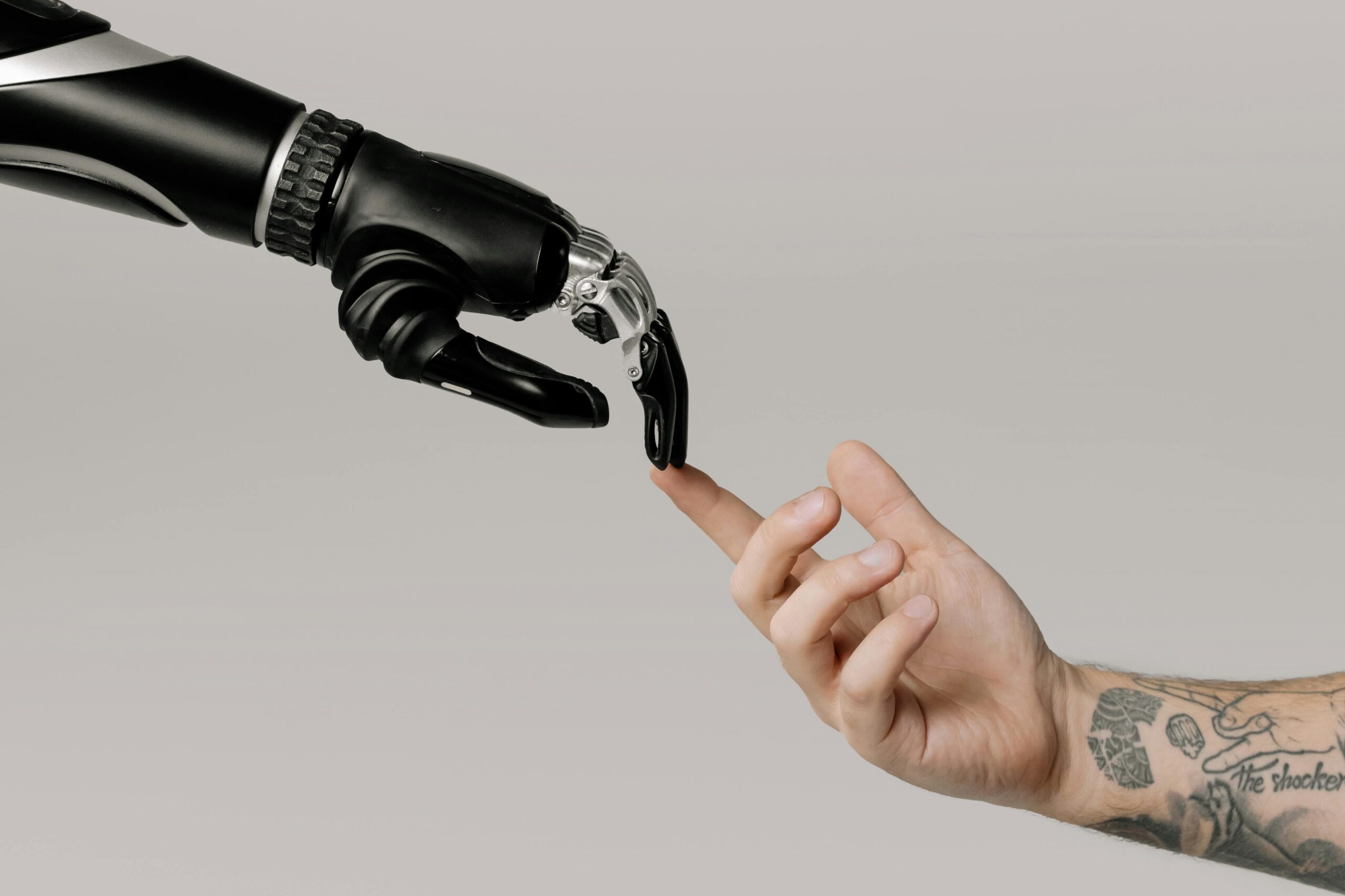
The article discusses the growing use of AI companionThe article argues that constantly pushing for speed and maximum productivity often backfires, leading to burnout, shallow thinking, and worse long-term performance. It highlights research showing that slowing down allows for deeper focus, better decision-making, and more creative problem-solving, especially for complex or meaningful work. Practices like taking breaks, building slack into schedules, and prioritizing fewer tasks help people sustain energy and quality over time. Rather than viewing rest and reflection as inefficiencies, the piece reframes them as essential tools for high performance. The core idea is that working more deliberately, not faster, ultimately leads to better results and healthier productivity.s by children and teens, framing them as a modern version of imaginary friends that can chat, offer emotional support, and adapt to a user’s personality. These tools are becoming popular because they are always available, nonjudgmental, and responsive, especially for young people who feel lonely or anxious. Experts quoted in the piece say AI companions can help with self expression and practice social interaction, but they also raise concerns about dependency, reduced real world relationships, and blurred boundaries between technology and human connection. Parents and educators worry about how these tools shape emotional development and expectations of relationships. Overall, the article suggests AI companions reflect both a new form of comfort and a new set of risks for growing minds.


In academic partnership with Virscend University, a WASC-accredited institution in Irvine, California.
About
Contact BLLA: