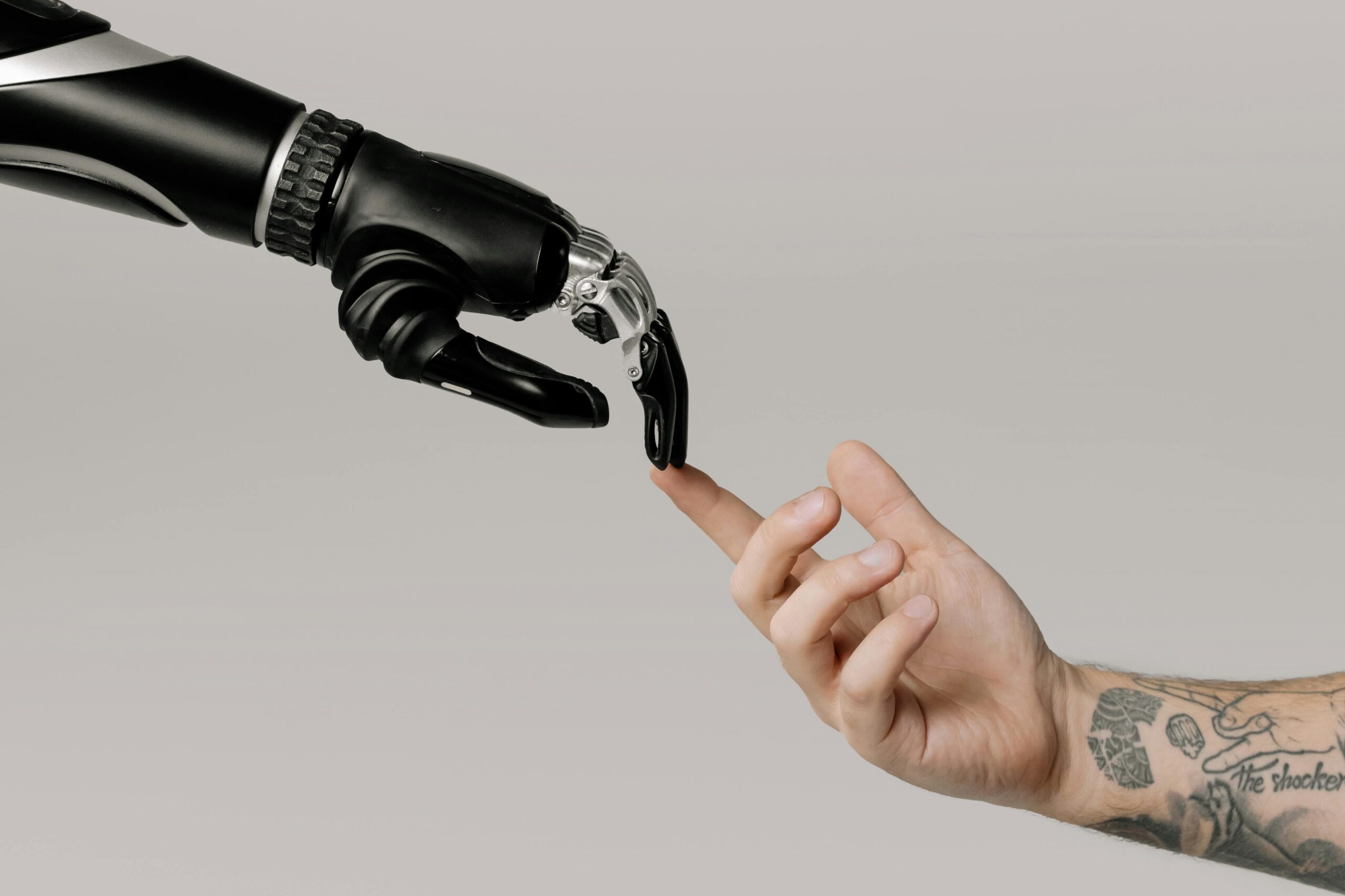
The article outlines new research, including work from Microsoft, that ranks which jobs are most and least vulnerable to being replaced or heavily reshaped by artificial intelligence, finding that risk depends more on task type than job title. Roles centered on routine, predictable, and text-based work, such as data entry, transcription, basic customer support, and some administrative functions, are identified as the most exposed to automation. Jobs that rely on complex human interaction, physical presence, judgment, or creativity, including healthcare practitioners, educators, skilled trades, and hands on service roles, are considered far less at risk in the near term. The research emphasizes that AI is more likely to change how people work rather than fully eliminate most jobs, with many roles being partially automated instead of replaced. Overall, the findings suggest workers who adapt by developing complementary skills, such as problem solving, oversight, and human communication, will be better positioned as AI adoption accelerates.


In academic partnership with Virscend University, a WASC-accredited institution in Irvine, California.
About
Contact BLLA: