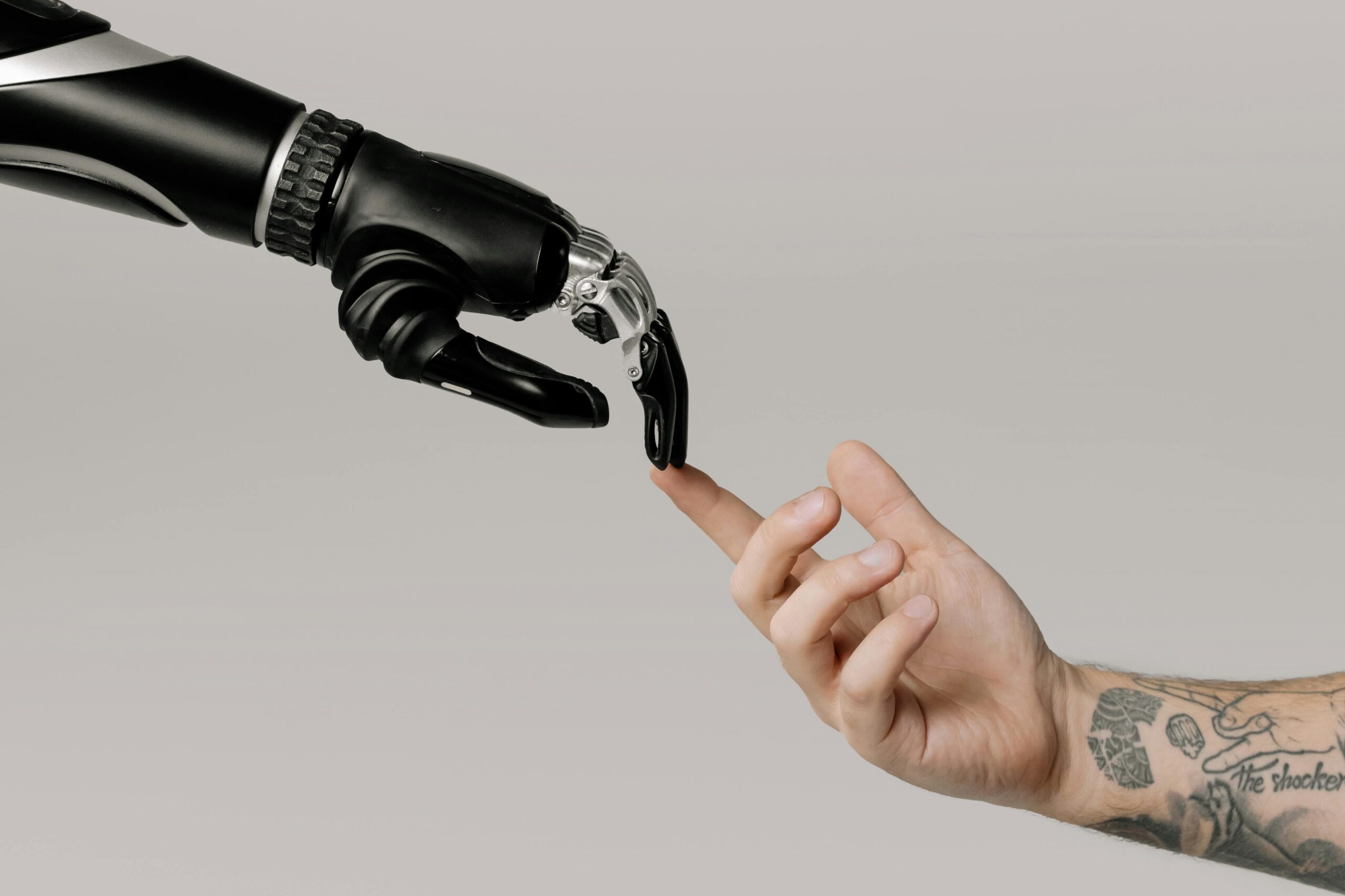
The article discusses the growing use of AI companions by children and teens, framing them as a modern version of imaginary friends that can chat, offer emotional support, and adapt to a user’s personality. These tools are becoming popular because they are always available, nonjudgmental, and responsive, especially for young people who feel lonely or anxious. Experts quoted in the piece say AI companions can help with self expression and practice social interaction, but they also raise concerns about dependency, reduced real world relationships, and blurred boundaries between technology and human connection. Parents and educators worry about how these tools shape emotional development and expectations of relationships. Overall, the article suggests AI companions reflect both a new form of comfort and a new set of risks for growing minds.


In academic partnership with Virscend University, a WASC-accredited institution in Irvine, California.
About
Contact BLLA: